
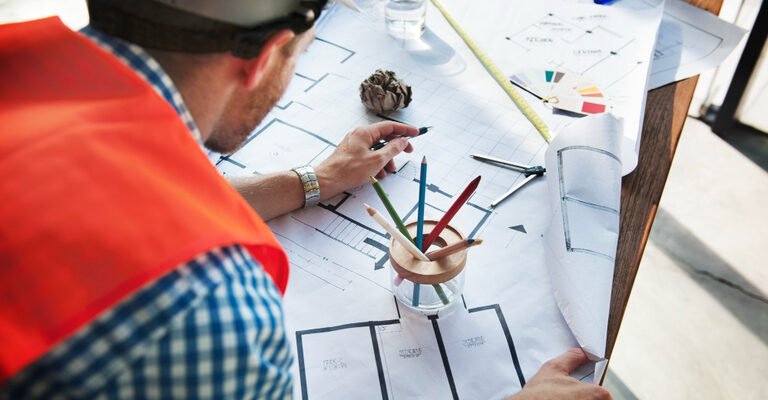
The engineering behind it is civil engineering design, which transforms a piece of land, a need of the people, or an idea into a safe, permitted structure that can be built, maintained, and used without any trouble. In reality, the systems on which communities run are designed by civil engineers: roads, bridges, drains, water supply, wastewater, and the site layout that brings it all together.
The following are the most common types of design work civil engineers handle and what each typically entails.
What Types Of Design Work Do Civil Engineers Do?
1) Land planning, Design, and Site Development.
This is where most of the projects are launched. Civil engineers develop a buildable site layout based on an architect’s concept or an owner’s plan.
Typical design tasks:
- Site plan (access, parking, fire access, Pavements)
- Design (form of the ground to be stabilized and drained)
- Drainage design (or the location of runoff)?.
- Corridor water, sewer, power, telecom utility rerouting, and coordination.
- Plans of erosion and sedimentation (to authorize it, in particular).
2) Design of Grading, Earthworks, and Drainage.
It can barely be called flat, even by engineering standards. The engineers working in the field of civil engineering design the grade and elevation to ensure there are no floods, minimal soil movement, and protection of the structure and sidewalks.
Common deliverables:
- Reduce or fill the earthworks estimates to equalize the cost.
- Pavement and finished floor elevation plans.
- Swales, catch basins, culverts, and runoff-sized channels.
- Drainage specifications to direct water away from the foundation and roads.
3) Stormwater Design Management.
Design of stormwater has become a significant aspect of contemporary civil engineering, as in most cities, post-development runoff control is mandated.
Civil engineers may design:
- Detention/retention ponds
- Infiltration systems (where possible in terms of the soil conditions)
- Storage chambers and storm sewers are located underground.
- Water-quality features
In multidimensional projects such as development, stormwater, and roadway designs, hiring experienced civil engineers will reduce redesigns and acceptance waste. Professional companies, such as Valdez Engineering, assist with projects by providing coordinated plans that incorporate civil engineering elements and are more proactive in terms of politics, constructability, and long-term performance.
4) Roadway and Transportation Design.
Transportation design is more than just drawing a road. It encompasses geometry, safety, usability, and compatibility with adjacent land use.
The design work normally involves;
- Horizontal (road alignment) and vertical (grades) curves.
- shoulder/lane widths, curb and gutter, medians, sidewalks, and crossings.
- Intersection design, turning radius, and traffic control designs.
- Design of parking lot circulation (including available routes)
- Embracing several modes of transport (vehicles, walking, cycling, transit).
Roadway geometry in the U.S. is often driven by the AASHTO Green Book, a reference for standards used in federal safety and design materials.
5) Infrastructure Design- Water and Waste Water.
Civil engineers provide systems that deliver clean water as well as wastewater, which should be of high standards on matters of public health and its reliability.
What they design:
- Water service (water pipes, water valves, water hydrants, water pressure regions).
- Wastewater harvesting (gravity sewers, utility holes, lift stations)
- Capacity additions and advancements on the system.
- Plans of infrastructure rehabilitation (replacement vs. lining and so on).
6) Structural Design (Forming a Subset of Civil Engineering)
In recent years, structural engineering has become a distinct field, but structural design remains a traditional area of civil engineering, particularly in bridges and public works.
Design tasks may include:
- Bridges (concepts, superstructure, substructure, load paths, detailing)
- Shoring systems, retaining walls, and excavation.
- Culverts and short span structures.
- Organizational alignment to roadway, drainage, and geotechnical limitations.
7) Geotechnical and Foundation Design Coordination.
The construction of the designs used by civil engineers is mostly based on the behavior of soil and ground risk, specifically in regard to slope stability, settlement, and the stability of the ground.
This may involve:
- Integration foundation comprises (footing spans: spread, piles, slabs, etc.).
- Earth retention coordination (sheet piles/soldier piles/ tiebacks)
- Design of the pavement, dependent on the subgrade.
- Concepts of slope stabilization and drainage control.
What Civil Engineering “design deliverables” look like
In all the categories above, civil engineers tend to produce:
- Engineering computations (hydrology, hydraulics, earthwork, capacity checks)
- CAD plans and profiles (site plans, roadway plans, utility plans).
- Details/specifications (materials, installation notes, testing notes).
- Constructability phasing ideas and cost estimates.
With regard to the availability of civil engineering design on one side, undertaking initial planning to permit-ready drawings, such as site development, stormwater management, and infrastructure coordination, Valdez Engineering can provide objective, practical solutions through professional civil engineering.