
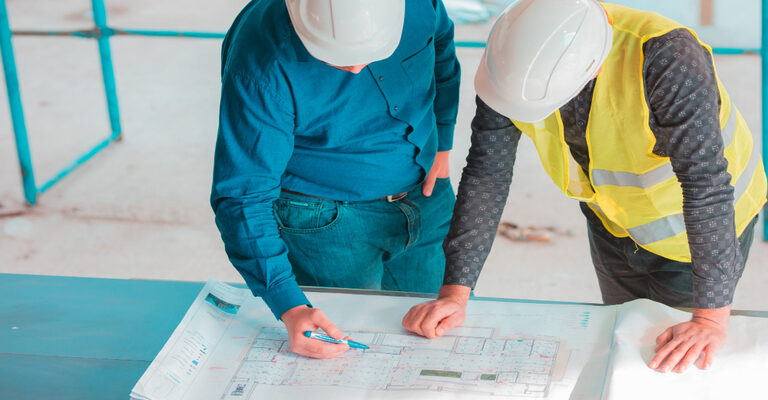
Structural analysis and design are the core concepts that literally hold the rest together, ensuring the safety, stability, and efficiency of any modern city skyline or infrastructure project. These two disciplines go hand in hand to form a mere functional unit for the architectural visions to be converted into trustworthy and real-world viable structures.
Learning structural analysis and design concepts shows us how the civil engineering branch is the main driver behind the final output of the ideas – the achievements that last long.
Understanding Structural Analysis
With the help of structural analysis, engineers are able to figure out if the structure will not fail or be heavily deformed as a result of safety forces applied to it.
During this phase, engineers analyse:
- The shape and structure of the system
- Material properties (steel, concrete, composite components, etc.)
- The type and direction of the load applied to the structure
- The support conditions and restraints
Based on the above parameters, structural designers in engineering can simulate the behaviour of the structure under real-world conditions. The whole process is a guarantee that buildings, bridges, and other infrastructures will remain strong and stable for the period of their lifespan.
The Role of Structural Design in Construction
Structural design is the next step after structural analysis. It is the application of the data and understanding of forces gained from structural analysis to create a safe, functional, and economical structure. The work includes deciding on the dimensions, materials, and layouts of the structural members, such as beams, columns, and slabs, on the basis of the analysis results and design codes.
Structural design aims to:
- Make sure the structure is capable of resisting all the loads that may be encountered
- Keep the cost of the structure at a reasonable level without compromising safety
- Comply with local building codes and industry standards
- Consider the aesthetic aspect along with the functionality
Structural design is a combination of the artist’s creativity and the technical accuracy of the scientist. Engineers are expected to choose the right materials, use innovative construction methods, and guarantee sustainability, all within the constraints of the project budget and schedule.
How Structural Analysis and Design Work Together
Structural analysis and design are closely interdependent. Analysis offers the information; design uses that information to create the necessary solutions. Engineers, during the design, usually go back to the analysis stage several times to adjust and improve the performance.Such an iterative process is their way of ensuring that the final structure will comply with safety, serviceability, and durability requirements.
To illustrate, the analysis result showing that the beam is deflecting excessively under the load may lead the designer to increase its depth or change the material to reduce the stress. And definitely, if the design constraints require a lighter structure, then the analysis will be changed to consider different load paths. This interplay between the two operations enables engineers to realise not only the safety of the structure but also its cost-effectiveness.
Modern Tools and Techniques in Structural Engineering
Modern-day civil engineers are very much dependent on progressive computational tools that have, in fact, transformed engineering analysis and design, with the help of software such as STAAD.Pro, ETABS, and Midas Civil, engineers are now able to simulate complex geometries, load patterns, and even environmental conditions with astonishing precision.
These software packages have capabilities such as:
- Finite Element Analysis (FEA) for representing areas under stress
- Load optimisation and deformation tracking
- Seamless integration with BIM (Building Information Modelling) for design coordination
- Time-dependent simulations for materials like concrete and steel
The Importance of Engineering Expertise
Successful projects are based on an in-depth, balanced and well-coordinated analysis, design and practical working knowledge of the professional team. Experienced structural engineers know how materials behave, how modern codes of practice are intended to be interpreted and how the construction industry works, and as a result are able to be involved in making the theoretical design a reality as a strong, buildable structure on site.
Engineers have to keep their knowledge current to cope with new building and material matters, environmental questions, and so on. Today, civil engineering goes beyond just the strength attribute of the structure—it also embraces the concepts of resilience, adaptability, and efficiency when dealing with the changing weather or any other condition.
Partner with Valdez Engineering for Reliable Civil Engineering Solutions
With Valdez Engineering, you can enjoy the advantages of both situations: a full range of civil and structural engineering services tailored to the requirements of your project. Our personnel are a perfect combination of cutting-edge technology and seasoned professionals in the field, who together make it their goal to provide safety, economy, and creativity in the solutions.