Valdez Engineering

Category: Constuction

  • What is Land Development in Civil Engineering?

    What is Land Development in Civil Engineering?

    The land development sphere is one of the most significant areas of civil engineering that underlies the development of urban areas, the construction of infrastructure, and community enhancement. It entails the development of undeveloped or underutilized land and converting it to residential, business, industrial, or any other area. The land development involves the incorporation of both engineering capabilities, planning, and sustainable designs to develop the drainage systems and roads, and ensure a balance between the environment and conformity to the rules of zoning.

    This blog shall address what land development is, its key processes, importance, challenges, and the dynamic future of the emerging field of civil engineering.

    Understanding Land Development

    Finally, landscaping will increase the aesthetics and functionality of the site. Green spaces, plantings, and public spaces are developed by the engineers and the landscape designers to enhance the sustainability and livelihood standards of the community.

    Importance of Land Development in Civil Engineering

    The key reasons why the development of land is a necessity are:

    • Urban Growth: It helps cities attain sustainable growth.
    • Infrastructure development: It will be significant in the land development of roads, utilities, and other services of the government.
    • Economic Progress: It drives up employment and real estate value, and also attracts investments.
    • Community Improvement: Developed land leads to safer, greener, and connected neighborhoods.

    Key Stages in the Land Development Process

    1. Feasibility and Site Analysis.

    A project starts with a feasibility study in which engineers consider whether the project is viable or not. This incorporates assessing soil conditions, topography, zoning rules, the environment, and utility availability.

    Detailed survey – This is done through geotechnical, tree surveys, environmental surveys, among others, to determine the restrictions, such as flood zone, wetland, or endangered species, that may affect the design of the development.

    2. Land Use Planning

    This is followed by land use planning, in which civil engineers and planners figure out the most effective and efficient manner of utilizing the land. This will entail the study of the needs of the community, the local policies, and future development patterns in order to develop a development scheme that will be functional and environmentally responsible.

    3. Engineering Design

    At this point, infrastructure detail design commences. Civil engineers design:

    1. Parking spaces and road networks.
    2. Utility systems (water, sewer, and electricity).
    3. Stormwater management systems.
    4. Grading and drainage plans

    This is critical and needs precision to make it safe, durable, and cost-effective.

    4. Environmental Assessment and Permitting

    The developers have to acquire the requisite environmental clearances and permits before they begin construction. Engineers evaluate the possible influence of the project on the natural ecosystems and offer various measures to reduce the negative impact, i.e., erosion control, water conservation, and sustainable usage of materials.

    5. Construction

    When the approvals have been obtained, the construction phase starts. This phase will entail clearing of land, excavation, grading, paving, and installation of utilities. The civil engineers manage these activities to design specifications, safety, and quality standards.

    6. Finishing and Landscaping.

    Finally, landscaping will increase the aesthetics and functionality of the site. Green spaces, plantings, and public spaces are developed by the engineers and the landscape designers to enhance the sustainability and livelihood standards of the community.

    Advantages of Land Development

    Economic Benefits : The development of land creates a new source of employment, promotes the economy in the neighborhood, and increases the value of property. It forms a platform for new business and industrial development.

    Social Benefits : It increases access to housing, healthcare, education, and transportation. Well-developed areas lead to better living conditions and stronger communities.

    Environmental Benefits : Modern land development has sustainable engineering, such as green infrastructure, renewable energy incorporation, and Stormwater recycling, to ensure that the ecological footprint of the project is minimized.

    Problems with Land Development.

    1. Environmental Problems: Civil engineers ought to minimize the degradation of the land, protect the environment, and ensure the applicability of environmental laws.
    2. Financial Constraints: When this planning and forecasting is not accurate, overruns may occur in terms of the budget. Cost control is essential.
    3. Regulatory Hurdles: Navigating the complex zoning laws, licensing, and regulatory compliance is a tiresome exercise that demands patience.
    4. Community Concerns: Community objections or environmental or social concerns can affect the project’s time schedules.

    Conclusion

    The major development carried out by civil engineering is the development of the land, the conversion of arid land to thriving communities. It is a multidisciplinary project requiring creativity, technical prowess, and environmental responsibility.

    The variables that indicate the wish of the civil engineer to develop in a sustainable manner include the feasibility and design, up to the construction and landscape. Responsible land development will be the key to future urban and community planning in an ever-changing world.

  • How to Choose the Right Civil Engineering Firm in Windsor, Canada

    How to Choose the Right Civil Engineering Firm in Windsor, Canada

    Identifying the appropriate civil engineering company in Windsor, Canada, is the key to the success of any construction or development project. The city has its unique regulatory environment, soil conditions, and requirements of the infrastructure facilities, which is why it is possible to resort to cooperation with a professional civil engineering organization so that the implementation of your project is as effective, safe, and according to the local code as possible. 

    Residential subdivision or commercial development, municipal infrastructure upgrade, the proper civil engineering expertise will put your project on the right path since its inception, with site assessment up to final approvals and supervision of construction.

    The Importance of Finding the Right Civil Engineering Firm

    The choice of the perfect civil engineer in Windsor ensures a skilled handling of the intriguing factors, including topography, soil stability, utilities, and zoning restrictions. A professional company will offer the expertise necessary to evaluate the location properly, plan constructions securely, and get through the permits without subjecting time-consuming and expensive red tape. Civil engineers in Windsor have a very wide field of specialization, such as structural, geotechnical, environmental, hydrology, and site design – they have it all to provide a solution to your project. 

    Essential Factors to Consider When Choosing a Civil Engineering Firm in Windsor

    Expertise and Local Experience

    Focus on a company that has substantial familiarity with Windsor municipal building codes and zoning regulations, as well as environmental rules. Local expertise helps the engineering department to foresee the issues that are specific to the local geography and regulations of the area. Find companies that can provide multidisciplinary services, i.e., structural, geotechnical, hydraulic design, environmental impact assessment, etc., to have a one-stop shop of all technical requirements. The knowledgeable company will work in harmony with the architects, planners, and city officials, and make your project come to life much quicker and easier.

    Experience with Similar Projects.

    Request portfolios and references of successful Windsor projects of similar kinds. The fact that the firms that have successfully gone through such projects have been able to do so efficiently illustrates their capability of addressing the local compliance requirements and technical requirements. A visit to the client testimonials and case studies also shows the reliability and responsiveness of the firm, which is always important when the project becomes complex or when there is a time constraint. The confidence will be evoked by the firms that have a long history of local presence and a good reputation.

    Adequate Staffing and Resources

    Select a civil engineering company of the appropriate scale for your project. Although big companies would introduce new skills and resources, the waiting lines could be longer because of high workloads. Smaller or specialty firms can be more personal in their services, but ensure their competency and the presence of important professionals. 

    Certifications, Licensing, and Insurance.

    Make sure that the company possesses legitimate provincial licenses and certifications that suit your type of project and indicate that they have conformed to the industry standards. Insurance cover will be very important in case of accidents or design problems occurring in the course of construction, to cover you in the event of liability. These credentials should be verified to prevent future surprises.

    What are the Steps to Selecting the Best Civil Engineering Company in Windsor?

    1. Define Your Project requirements
    2. Research Local Firms
    3. Review Portfolios and Testimonials
    4. Evaluate Communication and Collaboration
    5. Check Credentials
    6. Ask for Detailed Proposals and Quotes
    7. Book a Meeting

    Valdez Engineering has been in the industry and, therefore, is reputable in civil engineering work in Windsor with a history of over 45 years. Valdez Engineering will provide customized and affordable structural, geotechnical, and environmental engineering services with a profound local understanding of the codes in Windsor and the land-use policies. They have a multidisciplinary approach to service delivery and have ensured that projects are completed on time and on budget. 

    Conclusion

    The process of identifying the appropriate civil engineering in Windsor is a strategic move that forms the basis of the success of your project. You can guarantee compliance, safety, and quality of your project by concentrating on local experience, a strong track record, full-fledged services, and client-oriented strategies. By collaborating with a reputable company such as Valdez Engineering, you are likely to have an uncomplicated process of permitting, on time, as well as structural perfection. 

  • How to Choose a Design-Build Firm

    How to Choose a Design-Build Firm

    Building or remodelling a building is an exciting endeavour, but undertaking it with the wrong team can become overwhelmingly so within a short time. Selecting the ideal design-build firm is one of the most important elements that can make or break your project’s success. As an architectural, engineering, and construction company, this is the all-in-one model that makes it an easier way to bring your vision to life.

    This blog will teach you what to look for when choosing a design-build company, how to assess their qualifications, experience, and communication, and the pitfalls to avoid.

    What Is a Design-Build Firm?

    A design-build company can provide both the design and the building solution within one contract and team. With design-build companies, the same company does the design work and the construction work, as opposed to the traditional model of design and construction being performed by two different companies.

    The approach frequently leads to a shorter project execution time, better cost management, and design and construction cooperation, minimizing the chances of miscommunication and setbacks.

    How to Choose a Design-Build Firm

    Step 1 — Research Potential Firms

    Start your search by finding design-build companies that have worked on a type of project similar to yours, be it residential, commercial or a renovation project. Share completed project portfolios on their websites or social media of similar projects in the same style and scale.

    Ask friends and family, or read reviews online on sites such as Google and the Better Business Bureau. Seek trends in response to their professionalism, punctuality, and artistry. Select companies that have good reviews and have at least five years of experience in designing projects.

    Step 2 – Confirm Authentication and Authenticity.

    Ensure that the local and state licenses required to legally conduct business in your location are present in the company. Building codes and safety standards are preserved through licensing.

    Make sure they are insured with full liability and workers’ compensation insurance, just in case they become liable to you during construction.

    Associations like the Design-Build Institute of America (DBIA) or the National Association of Home Builders (NAHB) are professional associations that signify professionalism and compliance with best practices in the industrial sphere.

    Step 3 – Assess Experience and expertise.

    Enquire about aspects of the business that the firm specializes in: is the firm new-construction-based, remodelling or commercial? Inquire about other tasks, including those that required a complicated resolution or had a time limit.

    Speak about how they overcame hurdles that were not expected to happen or financial limitations on previous projects. A good company will be happy to provide case studies or a list of customers who can attest to their effectiveness in resolving issues and meeting deadlines.

    Step 4 – Evaluation of Interaction and Communication.

    Good communication forms the foundation of an effective project. Make the initial appointment to check how well they listen and understand your vision.

    Interrogating them on the type of methods they use in communication, whether they update their websites regularly, whether they use project management software or whether they hold weekly progress meetings. As there would be an open and active communication channel within the company, you would be informed on schedule and budget variances and design decisions during the project.

    Step 5 – Review Contracts and Pricing.

    Never accept a verbal proposal without seeing comprehensive written proposals, which encompass all the details of your project, including scope of work, materials and price break-downs, payment schedule and milestones due dates.

    Demand transparency and candour– never transact with firms that come with shaky forecasts or those who cover their expenses.

    As well, they must know their change orders policy, dispute resolution policy and project guarantees policy.

    An extended contract protects your interests and helps to manage the expectations of both parties.

    Sustainability Matters : More design-build companies are now adopting the practice of sustainable buildings. Selecting a company that is dedicated to using materials that are eco-friendly and energy-efficient designs will cut down on the environmental impact and, in the long run, can help decrease the cost of operations. Find teams that are focused on green building to achieve a healthier, more efficient project.

    Advantages of Selecting a Design-Build Corporation.

    • Time Efficiency: The process is streamlined and speeds up project completion.
    • Control over costs: More precise budgets help to minimise unforeseen costs.
    • Single Point of contact: one point of contact makes coordination easier.
    • Responsibility: A Cohesive group that handles each stage.
    • Creative Solutions: Incident design and construction.
    • Less Stress: A single company is in charge of the entire project, which will have less stress on you.

    Common Pitfalls To Avoid When Choosing A Design-Build Firm

    Selecting Alone by Price: The lowest price bid may sacrifice quality or schedules. Focus on value and reliability over just cost.

    Overlooking Reviews and References: Check client satisfaction to predict problems.

    Ignoring Financial Stability: Don’t run out of money trying to cover any delay or change to the detriment of your project.

    Lacking Site Visits or Portfolio Checks: Site visits and project site visits may assist in assuring quality and appropriateness to your style.

    Valdez Engineering: Your Trusted Design-Build Partner

    Valdez Engineering is a top building planning and design company in Canada and USA; should you need a reliable design-build company, we have the capacity to make your vision come to life and keep it in the budget. Having had a good track record of quality and client-oriented communications, Valdez Engineering renders the remodeling or building process an easy task to undertake.

  • What is Industrial Building Design?

    What is Industrial Building Design?

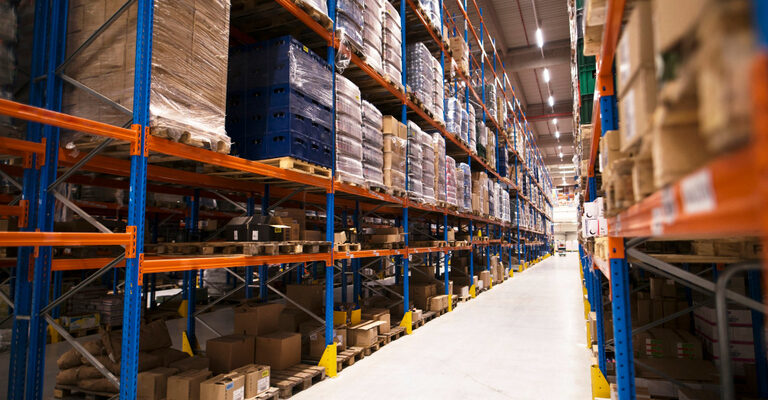
    Building design is a subset of both architecture and engineering that deals with the design of factories, warehouses, processing facilities, and distribution centers. In comparison to other building types, industrial buildings require heavy machinery, complex work processes, and stringent safety standards and practices.

    The Critical Aspects Of Industrial Building Design

    Structural Strength: Buildings that house industries should be able to withstand loads due to the presence of machinery and equipment, as well as the materials kept there. Strong pillars and concrete, such as steel and reinforced concrete, are also employed.

    Space Planning: Space is planned in a way that facilitates smooth workflow, material handling, and storage. This involves open flooring with a few barriers and a high ceiling height to fit cranes or any other equipment.

    Safety and Compliance: The designs are designed to align with fire safety, ventilation, emergency exit, and comply with the occupational health and safety regulations to protect workers.

    Environmental Sustainability: No energy-consuming lighting solutions, insulation, waste products, and friendly energy materials will be utilized to save on expenses and the effect on the environment.

    Flexibility in design: Future growth, change in production methods, or modernization of technology.

    Types of Industrial Buildings

    Manufacturing Facilities: These structures are used to assemble and store heavy equipment, as well as house quality control labs, and may require flexible, open spaces.

    Warehouses: The warehouses are constructed in such a way that they can house goods, with much emphasis being on how to utilize the available space, and how to regulate the climate of the sensitive goods being transported, and also the loading docks.

    Processing Plants Processing plants, such as chemical plants or food processing plants, require special sanitary conditions and high safety standards.

    Distribution Centers: The centers are used in the quick processing, sorting, and shipping of products, and they involve a lot of logistics.

    The Building Design Process in Industry

    The conceptual design will begin with feasibility studies and good site analysis. The location that is to be selected must consider the transport, the surroundings, and further development. Then it is drawn up with details.

    Conceptual Design: The engineers and architects plan the preliminary plans, choose the materials to use, and supervise the building process.

    Structural analysis of the building, machinery, where they will be placed, building systems (electrical, plumbing, heating, air conditioning, and HVAC), and safety systems are well planned.

    Construction Administration: In charge of the proper execution of the design, implementation checks, and audit of implementation checks.

    At the same time, the local building regulations and environmental laws also affect the final design. Intelligent technologies, such as IoT, are typically part of new industrial facilities to manage the devices and energy.

    Advantages of Professional Industrial Building Design.

    Streamlined Work processes: Intelligent designs will maximize productivity through minimizing the number of bottlenecks and ensuring a smooth flow of business.

    Cost efficiency: Sustainable technologies and durable materials minimize maintenance and utility costs in the long run.

    Better Safety: Safety measure ensures the minimization of risk and the security of workers and resources.

    Future-Proofing: Flexible Designs are designed in ways that accommodate the requirements of changes in production needs or technology without the design having to be reworked.

    Environmental Impact: The green design is reduced and minimized in terms of carbon footprint, and improves the company’s image in the eyes of the people.

    Why should Valdez Engineering Run Your Industrial Building Design?

    Valdez Engineering is more than 45 years old, and it has become one of the most prominent players in the sphere of building planning and design, especially in industrial sectors. We take pride in providing unique innovations, sustainable and efficient solutions that are unique to the sight and purse of individual clients. Our team is a multidisciplinary team and makes sure that your conceptual design is taken to final approvals to make sure that it is not only efficient but also future-proofed.

    When you choose Valdez Engineering, you will not only be acquiring a building itself, but also a strategic tool that will increase your efficiency of operations and growth.

    Conclusion

    The design of industrial buildings is necessary to create an environment that supports the multifaceted needs of the manufacturing, storage, and distribution sectors. With the emphasis on the structural strength, practical layouts, safety of workers, and sustainability, industrial buildings become the key to a productive and developing force. By collaborating with the top designers, such as Valdez Engineering, your industrial building will be able to fulfill the current operational needs and be able to adjust to the imminent challenges with ease, guaranteeing the success of your business in the future.

  • Civil Construction vs Commercial Construction?

    Civil Construction vs Commercial Construction?

    Unless one is engaged in the building business, civil and commercial constructions may seem alike. After all, both have some building, planning, and engineering concepts in them. But they are practiced for rather different purposes and follow different working methodologies.

    Being a business owner, interested in putting up a new development, or simply interested in knowing how our cities and communities are built, having an understanding of the difference is essential.

    Here in this blog post, we will try to get at the meaning behind civil construction and commercial construction and point out the difference between them, as well as argue to look at why both are crucial in shaping the spaces in which we live and work.

    What Is Civil Construction?

    Civil construction is a subdomain of civil engineering that deals with designing, constructing, and maintaining the infrastructure that serves public interest directly. Such works, especially involving large-scale public works, are often government-funded or associated with major organizations.

    There are many projects under civil construction:

    • Roads, highways, and bridges
    • Railways, tunnels, and airports
    • Water treatment plants and sewage systems
    • Dams, reservoirs, and power plants
    • Public parks and utility pipelines

    These projects sustain entire communities. Civil construction gives importance to strength, environment friendliness, and governmental stringent regulations. Civil projects have been made for the public for many decades, thereby demanding very careful planning, sustainability checks, and engineering at its best.

    What Is Commercial Construction?

    Therefore, commercial sites refer to private sector jobs. A business or institution that generates income or provides a service to an individual is a commercial project. They lack adequate public funding and are driven by business motives.

    These are some commercial construction projects:

    • Office buildings and corporate headquarters
    • Shopping complexes, malls, and retail outlets
    • Hotels, restaurants, and entertainment halls
    • Warehouse and industrial complexes
    • Hospitals, schools, and universities
    • Apartments and residential towers

    Lots of space in one room must be purposeful and safe, with design features that cater to business needs. Commercial contractors must team up with investors, business owners, and developers so that the project is completed within the timing and budget requirements. Those contractors manage subcontractors to comply with the building standards, including electricians, plumbers, and HVAC technicians.

    Key Differences Between Civil and Commercial Construction

    Yet, being under the umbrella term ‘construction’, their goals, designs, and oversight processes vary quite a bit.

    1. Purpose and Use

    Civil Construction: It aims at the realization of infrastructures for public use (highways, water schemes, and bridges, for instance).

    Commercial Construction: The emphasis is on creating space for business, commerce, or services (offices, malls, and hospitals).

    2. Sources of Funding

    Civil Construction: Generally funded by governments or giant corporations.

    Commercial Buildings: They are invested in by private entrepreneurs, developers, or investors.

    3. Design and Infrastructure

    Civil construction: It aims at durability, being environmentally friendly, and having a good effect on community welfare. Supporting infrastructure is often through dedicated systems to prevent disturbances during and after construction works have been carried out.

    Commercial Building: Focuses on central systems such as heating, ventilation, and air conditioning, plumbing, and electric installations, which are services to the whole property, including tenants.

    4. Oversight and Regulation

    Civil Construction: Heavily regulated, influenced by politics, and subject to environmental assessment.

    Commercial Construction: Zoning laws and building codes govern its development, but are arguably more focused on profitability and usability.

    5. Project Scale

    Civil Construction: Large-scale and long-term, affecting entire regions or cities.

    Commercial Construction: Scales will vary, usually being customized for given businesses or organizations.

    Why Both Are Important

    While civil and commercial construction are entirely different in their nature of application, both are at the center of modern life. Civil projects make infrastructure working in the cities for sustainability; commercial projects deliver spaces for businesses to prosper and for communities to come together. One cannot exist in the way the other exists today.

    Engage Experts in Civil Engineering!

    Valdez Engineering will make sure that the communities develop with innovative and reliable engineering solutions. Be it designing infrastructure, planning environmentally viable projects, or providing engineering solutions that conform to regulatory standards, the team works towards developing systems that are sustainable. If you are planning a civil project or require expert advice, please allow us to help you bring your civil engineering vision into reality.

    Final Thoughts

    The next time you are driving on a highway or be it visiting a shopping center or via a public park, you shall know what distinguishes civil construction from commercial construction. While civil projects provide the basic infrastructure backbone for our communities, commercial projects provide the spaces where business and services prosper.

    Both are very important for society today, and knowing the differences would increase our appreciation of how complicated and important the construction industry is.

  • 5 Top Benefits of GIS for Civil Engineering Firms

    5 Top Benefits of GIS for Civil Engineering Firms

    The use of Geographic Information Systems (GIS) has transformed the workflow of civil engineering companies in the collection and analysis of geographic data. These insights have helped them plan, construct and manage infrastructure projects with more organisational accuracy. Integrating geographic data with advanced analytical capabilities, civil engineers are provided with actionable data. GIS enhances the clarity of decisions and outcomes of the projects.

    The purpose of this blog post is to provide the four key advantages of GIS applications to civil engineering to understand their practicality. 

    5  Benefits of GIS for Civil Engineering Firms

    1. Enhanced Aid in Planning and Design

    The capability of GIS enables engineers to conduct visual analysis during the planning and design of projects. The abstraction of data into more usable formats fosters accuracy. The topographical data, soil types, and existing infrastructure in 3D format allow engineers to conduct more sophisticated analyses, consider site constraints and design more optimally. Engineering projects enhance layouts, designs, risk and safety, and plans to comply with environmental regulatory standards, engineering solutions with community service in mind.

    To add to the existing blog content, consider writing a section on the positive impacts of the use of GIS within civil engineering regarding environmental impact assessments.

    2. Environmental Impact Assessment and Sustainability

    In civil engineering, GIS technology is instrumental in fulfilling environmental impact assessments (EIA). It helps engineers to examine what negative impact a project could have on the environment, even geo reports, before the construction actually starts. It aids in more preferable planning by pinpointing the delicate ecological zones, estimating the availability of water, and estimating the construction of air, fauna, and flora. 

    3. Best Site Selection

    The sophisticated construction of sophisticated maps from large amounts of GIS data is of great help in smart site selection. At this stage of the work, there are no site surveys. Civil engineers during the early construction phases can evaluate environmental sensitivity, accessibility, and geological conditions to estimate the best site condition. Better selection helps in reducing the project.

    4. Versatile Data Use Across Projects

    The strength of GIS is creating data sets that will benefit it for many purposes for a long time. Once data is collected, it can be used for more goals aside from just mapping, such as asset management, emergency planning, and planning control for scheduling. Because of all of these factors, a GIS tool is critical for supporting and managing the continuous life cycle of the whole project. GIS allows firms to get as much value as possible from their data assets by providing maps and analysis which can be adjusted for project changes and new regulations.

    5. Improved Project Results from the Combination

    In combination with other technologies like Computer-Aided Design (CAD) systems, GIS goes beyond the conventional approach to project deliverables. With GIS and CAD technologies, a firm can produce practical as well as highly sophisticated digital assets by merging GIS geospatial data with CAD detailed design models. This makes the asset more thorough and useful, which adds value to the clients and stakeholders. This also brings new business and more billable services. This is possible because of the quality and operational support maintained after construction from the integration of these systems. Civil engineering firms with GIS and CAD offer higher value assets.

    Why Choose Valdez Engineering for Your Civil Engineering Needs?

    The driving force behind the innovative infrastructure solutions we offer at Valdez Engineering is the proper use of GIS technology and civil engineering science. We maximize the efficiency and impact of every project with smart planning paired with specialized integrated design.

    Final Remarks

    The impact of technology on civil engineering is enormous. The use of the right technology, like GIS, makes the work more efficient and sustainable. The benefits of GIS, such as more project efficiency and lower costs, increased efficiency, and sustainable development, result in a pointed competitive advantage. The competitive advantage now is that there are limited civil engineering companies that offer that level of quality. The only downside is that we are still of limited supply.

  • Civil Technology vs Civil Engineering

    Civil Technology vs Civil Engineering

    Two occupations are similar but often conflated in terms of the field of infrastructure and the built environment: civil engineers and civil engineering technologists/technicians, also known as civil technologists. They seem to commercialize their name interchangeably, and according to each, there is almost an inevitable difference and essential purpose in molding our cities, bridges, and other infrastructure.

    Defining Each Role

    Civil engineering is a career field that deals with the entire lifecycle of infrastructure- construction, waterways, roads, airports, buildings, and bridges. Civil engineers address complicated theoretical issues and assume the leading role of project design and monitoring.

    Civil engineering technology (i.e., technologists and technicians), on the other hand, furnishes the real world between conception and application. They help to gather data, make plans with the help of CAD programs, create surveys and material testing, cost estimation, and ensure compliance in the field. In essence, they put into reality what the engineer envisages in his blueprint.

    Education & Core Responsibilities

    Civil Engineers: In most cases, they have earned a baccalaureate or undergraduate degree in civil engineering, which is rich in theoretical studies — calculus, physics, structural mechanics, geotechnics, environmental, and transportation engineering. They are educated in innovation, sophisticated design, and leadership.

    Civil Technologists / Technicians: In most cases, they hold a two-year degree or an associate diploma in civil engineering technology. They also still include major engineering topics, such as surveying, structural drafting, materials testing, and CAD, but are also much more biased towards applications and practice.

    Day-to-Day: Vision vs Execution

    Civil engineers define the creative and theological level. They translate the requirements of clients, generate design requirements, control regulations, manage budgets, and also lead multi-disciplinary teams.

    In the meantime, tech/technologists are busy on the ground: working on plans, gathering field data, checking and testing, making sure what is built matches the design requirements, and doing the essential documentation. They play critical roles in site execution, but they are not capable of granting the final designs and certifications, which is the duty of licensed engineers.

    Career Outlook & Compensation

    According to the U.S. Bureau of Labor Statistics (2024), the median annual wage for civil engineering technologists and technicians was $64,200, with a projected job growth rate of 2 percent between 2024 and 2034.

    Civil engineers generally make much higher than this pay scale; however, pros tend to make much higher salaries as expertise, certifications, or leadership are higher, though again, specific numbers differ by specialization and by area.

    Choosing the Right Path

    Become a civil engineer when you are attracted to high overarching problems, innovation, design leadership, and are comfortable with higher mathematics and modeling.

    Choose civil engineering technology when you like working hands-on, planning, working, coming into contact with constructed works in the field, utilizing and learning to use technical tools such as CAD, and are instrumental in making designs work.

    A Harmonious Collaboration

    Instead of presenting the two professions as adversaries, it is better to hail the unity of the professions. This is a partnership between civil engineers and technologists/technicians, as the engineer’s vision is established and executed by the hands of a technologist. With their collaboration, infrastructure projects are successful in a convenient, cost-effective, and safe manner.

    Future Trends in Civil Technology and Engineering

    Civil Engineering, as well as civil technology, is changing at a rapid pace as technology continues to disrupt industries. AI, Building Information Modeling (BIM), drones, and sustainable materials are transforming the process of how projects are designed and built.

    Civil engineers are becoming more concerned with the development of resiliency, green, and innovative infrastructures, with future environmental and other societal concerns (decades into the future) in their minds.

    Meanwhile, civil technologists are learning to use 3D modeling, drone surveying, concrete robots, and more sophisticated testing techniques that can enhance performance in terms of their precision and efficiency on the job.

    Need professional civil engineering support or wondering how civil engineers and technologists collaborate to make your projects a reality? Visit Valdez Engineering. Their expertise spans design, planning, and practical execution. Discover their innovative solutions at Valdez Engineering . Here begins your next successful infrastructure story!

    Conclusion

    In short, civil engineering is the lifeblood of innovation and leadership in infrastructure projects, where the vision is then translated into a concrete, well-implemented reality using civil technology. Knowing the distinction between them—and how they fit together—can assist students in making the correct choice and help employers build more substantial and impactful teams.

  • What Problems Do Civil Engineers Solve?

    What Problems Do Civil Engineers Solve?

    Civil engineers are called the pillars of society for a very good reason. For example, the potable water in your house, the offices you work in, and the walkways you stroll on were all accurately designed and cared for by a civil engineer. Civil engineers’ labour does not involve merely the addition of structures but is far more. They are the very people who question deeply about the problems that society has.

    What Problems Do Civil Engineers Solve in Modern Society?

    Let us understand the relevance of civil engineers in our society.

    1. Solving Infrastructure Problems

    The world’s highways, tunnels, water systems, and roads are all interconnected systems that were built many decades ago. These systems are now under severe strain as population and usage expand and intensify. Civil engineers are tasked with planning the future and gauging the safety and competency of the world’s existing infrastructures.

    They tackle the following issues.

    • Bridges are prevented from collapsing by the repairing of old and aging structures.
    • Buildings are earthquake resistant in seismic regions designed.
    • The road congestion is eased by the highway expansion.
    • The stormwater systems are improved with performance by the undersized and aging ones to deal with the climate change impacts.

    Civil engineers build, maintain and restore the structures throughout the Earth to be able to fight against the challenges of the future.

    2. Creating Sustainable Solutions

    No wonder sustainability is playing an important role in civil engineering. With the advancement of communities, the concerns regarding pollution, waste, and energy also grow. Therefore, civil engineers need to account for ‘green’ practices when creating a design, which means they need to balance construction with conservation.

    Here are a few examples.  

    • The treatment and removal of contaminants from wastewater through the construction of these systems.
    • Using materials that are recycled and don’t harm the environment in building.
    • The renewable energy infrastructure that includes the wind and hydroelectric systems.
    • The city has been developed with green areas, which will help to offset heat and air pollution.

    The involvement of civil engineers in the creation of autonomous, zero-waste, and energy-efficient communities that are considered among the best.

    3. Managing Urbanization and Population Growth

    The fact that more and more people migrate to cities each year means that urbanization is proving to be a challenge to the public’s health, safety, and overall quality of life. In designing smart, efficient, and future-ready cities, civil engineers continue to design systems that:

    • Ensure that the drinking water supply is available to at least every second household.
    • Successfully divert the waste from the neighborhood that is being expanded.
    • Unclog the roads via instant, highly productive road networks.
    • Make sure that all newly constructed areas follow the set zoning and environmental regulations.

    Civil engineers construct the frameworks of urban durability and expansion.

    4. Addressing Environmental and Natural Disaster Risks

    Nature is often chaotic, but the determination of civil engineers to prevent the destructive effects of the environment remains unshaken. The evaluation of land use, assessment of soil quality, and determination of risk are usually expected long before construction work commences. Primarily, they develop systems to ensure the safety of people in the course of natural disasters.

    For instance, the following are examples of these actions: 

    • Erecting levees and dams to hold back excess water. 
    • Designing solid coastal protection infrastructure to endure storms and related water level rise. 
    • Attaching slopes to prevent landslides. 
    • Using the earthquake-resistant design guideline in the areas that have a high possibility of seismic activity. 


    5. Ensuring Compliance and Safety

    Being creative and having the possibility of giving solutions to problems are just a small part of the skill set that is needed for civil engineering. Besides engineering the projects, the civil engineer has additional heavy responsibilities, the most important of which is adherence to different and numerous rules, such as country, state, and local regulations, for project safety and legal compliance.

    This ensures that developments:

    • Protection of safety zones. 
    • Comply with the zoning area. 
    • Remain structurally safe for decades to come.


    Conclusion

    Civil engineers are problem solvers at heart. They tackle problems involving aging infrastructure and sustainability, as well as urban and environmental issues, all while complying with the law. Without them, the structure of cities, communities, and even the way one goes about their daily life would be different. The problems that civil engineers tackle may appear invisible to the layperson, but their resolutions are foundational to modern life, where everything is seamless, safe, and sustainable. 

    At Valdez Engineering, we’re firm believers that problem-solving is deeply rooted in civil engineering, which goes beyond the solving of problems associated with structures. To us, solving the challenges of the future means planning innovative ways to construct effective infrastructure, manage water resources sustainably, and undertake other land development activities.

  • Structural Engineering vs Transportation Engineering

    Structural Engineering vs Transportation Engineering

    Structural engineering and transportation engineering are essential majors in Civil engineering, which have differences in the knowledge and responsibility, ultimately in career. And both attempt to make the built environment better. Being able to define the differences between these fields can help students, professionals, and even potential clients decipher career paths, relationships, and project requirements.

    Structural Engineering

    Key Responsibilities

    • Estimating loads and stresses imposed on buildings, bridges, and other structures.
    • Choosing the right materials for strength and economy.
    • Creating frames that don’t shake during windy days, earthquakes, or other natural forces.
    • Partnering with architects to marry performance to aesthetics.
    • Weighing when neglected infrastructure becomes unsafe.

    Typical Projects

    Structural engineers‘ projects include buildings, towers, bridges, tunnels, dams, and stadiums. Their aim, whether it’s a high-rise apartment building or a pedestrian bridge, is to keep structures functioning safely and effectively to meet clients’ needs.

    Skills Required

    For the best of success in the field of structural engineering, one should have sound knowledge of physics, mechanics, and material science theory. Must have proficiency in design/project software such as AutoCAD, Revit, and structural design software.

    Transportation Engineering

    Key Responsibilities

    • The designing of roads, intersections, and traffic flow patterns.
    • To build good transit—we’re talking subways, light rail, and bus networks.
    • All of the above can be utilized to help manage congestion, traffic safety, and infrastructure load.
    • Transportation projects: assessing their environmental and social impacts.
    • Intelligent Transportation Systems (ITS), and emerging technology such as smart signals and the infrastructure needed to support autonomous vehicles.

    Typical Projects

    Highways, long-distance rail, airports, traffic simulations, and big public transport systems. Transportation engineers often collaborate with urban planners to design systems that minimize travel time, while delivering value for money, maximizing safety, and considering other considerations.

    Skills Required

    Strong math, planning, Geographic Information System (GIS), and traffic engineering skills are also important. Also, key to success in this profession is problem-solving, critical thinking, and planning for long-term mobility.

    Comparing Structural and Transportation Engineering

    Although both are sub-disciplines of civil engineering, they vary:

    • Structural engineering is the science of the stability and permanence of structures.
    • Transport Engineering deals with the design and planning of the operation of transportation systems.

    They each also require technical skills, creativity, and working with a team, but the type of projects and daily responsibilities are much different. Structural engineers might be plugging in numbers for a steel frame design, transportation engineers for traffic flow at a busy intersection.

    For students or working professionals deciding on a path:

    • If you like to solve problems with materials and physical forces, structural engineering could be your perfect fit.
    • If you are interested in how cities work and how infrastructure enables mobility, transportation engineering would perhaps be more rewarding.

    Career Opportunities and Growth

    Both have stable demand and good growth prospects. Rapid urbanization requires structural engineers to develop safe housing, places of business, and durable public works. Meanwhile, transportation engineers are critical participants in the efforts to create sustainable ways to impact the world’s expanding population, smart cities planning, and green culture.

    Game-changing technologies with respect to advanced materials, artificial intelligence in traffic control, and resilient infrastructure systems will define the future of both professions.

    Final Thoughts

    Both structural and transportation engineering are essential to society, though they do different things. And while structural engineers make certain the built environment stands tall and safe, transportation engineers are the ones who help keep our communities moving. In the end, each is a worthy pursuit, one that builds, creates, and supports the development of infrastructure and sustainable communities in which to live.

    If you’re looking for someone to provide you with structural engineering services, you need to make sure that you’re investing in working with professionals who comprehend the intricacies of designing safe, efficient, and durable structures. 

    Visit Valdez Engineering, which specializes in structural solutions and has the staff to meet your project’s needs, from modern structures to bridges capable of with standing natural disasters to the renovation of historic structures. 

  • Professional Project and Contract Management Services in Windsor, Ontario

    Professional Project and Contract Management Services in Windsor, Ontario

    Construction and engineering projects, in Windsor, Ontario, involve a lot of technical work, but more than that, they involve proper planning, active coordination, and highly skilled guidance of the project. Successful builds depend on Professional project and contract management services, which, in turn, guarantee a seamless flow of any given stage of the building process, adequate costs, and the utmost in terms of current quality and safety standards.

    With success in contributing to a construction project management firm in Windsor, Valdez Engineering is a firm that offers end-to-end solutions to address these requirements in the industry. Having years of experience in carrying out complex infrastructure, industrial, and commercial developments, they steer projects to success even from concept to completion, providing outstanding results each occasion.

    The Importance of Professional Project Management Services

    Project management services in Windsor that are highly effective go further than just keeping the schedule on track; it’s about finding the right resources, removing barriers, and ensuring that all the people involved are able to work together smoothly. Professionals, project managers at Valdez Engineering:

    • Manage the budget and expenses
    • Track performance against the plan
    • Discuss and solve problems and risks before they get worse
    • Implement strict safety regulations

    In the case of large-scale or multi-stage projects, taking a proactive approach to management ensures that expensive downtime is avoided, that resources are used efficiently, and that there is no disruption to operations if the work is carried out in conjunction with existing facilities. Utilizing standard project management principles with the newest technologies, Valdez Engineering makes sure that construction project management services result in continuous, measurable achievements

    Comprehensive Contract Management Services

    Alongside project execution, contract management services in Windsor are indispensable for the peace of mind that all agreements are honored, the commitments are fulfilled, and the needs are understood. Contract management by 

    Valdez Engineering is consistent with the following:

    • Setting out the contract terms and discussing them
    • Keeping an eye on the contractor’s performance and compliance
    • Going into details of change orders and scope adjustments
    • Certifying payment and tracking the progress of the deliverables
    • Quickly solving conflicts if they arise

    Contracts executed efficiently enable owners to avoid unnecessary expenses, clarify any confusion, and develop transparent and accountable relationships with their partners

    Key Benefits of Contract Management Services

    The following are the benefits of Contract Management Services:

    1. Cost Control & Budget Adherence – Adherence to budgets is demonstrated in an easy manner with actual control of costs.
    2. Risk Mitigation – Early management will lessen the incidence of compliance failure and uncertainties in projects.
    3. Enhanced Communication – The ability to report and document ensures everyone is on the same page.
    4. Timely Completion – There is coordinated scheduling, hence, timely completion of critical milestones stays within their contingency periods.

    All these benefits, when pooled together, give a better basis on which the project should succeed– financially and operationally.

    Why Choose Valdez Engineering for Your Windsor Projects?

    Valdez Engineering is a team of experienced, well-equipped, and committed professionals that can provide excellent construction project management services to their customers. Their integrated approach covers:

    • Feasibility studies and cost analysis
    • Engineering design reviews (EDR)
    • Vendor and contractor pre-qualification
    • Procurement, logistics, and materials management
    • Construction supervision and on-site coordination
    • Quality assurance and compliance monitoring
    • Final closeout documentation and warranty administration

    Valdez also offers comprehensive turnkey EPCM (Engineering, Procurement, and Construction Management) services to customers who want a single solution and which includes taking full responsibility for planning, management, and delivery. This single-point accountability reduces the possibility of risk, facilitates better communication, and allows complete harmony from the planning stage to the final handover.

    Their major project values, such as safety, efficiency in terms of budget, innovation, and customer satisfaction

    Get Started Today!

    It could be the construction of a commercial facility, an upgrade on the industrial operations or a specialty engineering build, but Valdez Engineering provides the project management services Windsor and contract management services in Windsor that will be required to make the undertaking a success. In order to see why Contact Valdez Engineering today is known as one of the top firms in Windsor to perform construction project management firm in Windsor to discuss your upcoming endeavor and experience why they are deemed as such.